




Dr. TRISHNENDU MONDAL

Treatments Offered







PATIENT TESTIMONIALS

Saikat Deshmukh
Saikat Deshmukh
Saikat Deshmukh
Saikat Deshmukh
Frequently Asked Question (FAQ's)
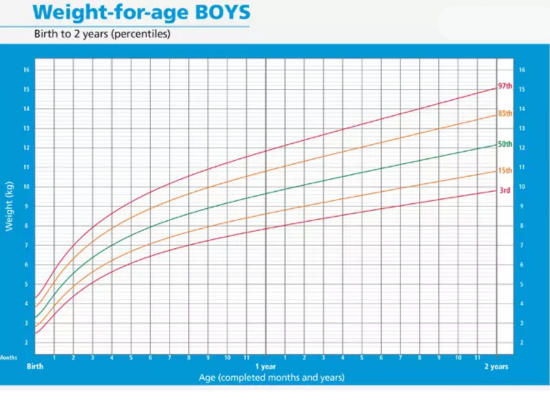
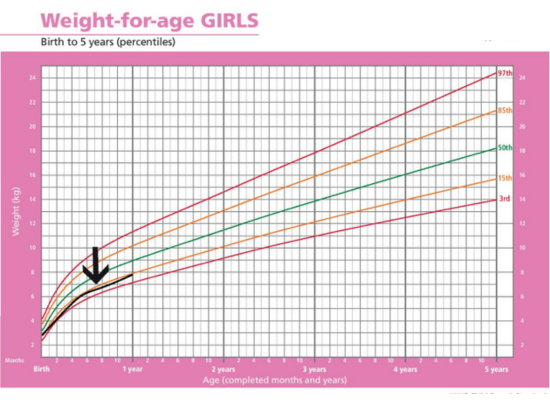
A serial record of height and weight of a child is the best way of knowing that a child is growing well. This can be done by maintaining a growth chart. A growth chart for children upto 2-3 years of age shows a serially maintained record of a child’s weight, length and head size (circumference) in comparison with the normal range for the child’s age and sex. For a child older than 2 years growth charts show serial recordings of child’s height and weight.
Since a child grows very fast during first two years of life, his growth should be assessed at every opportunity. This is done conveniently during the visits for routine immunisation and other visits to the doctor. A 3 monthly record during the first two years is ideal. Subsequently, since the rate of growth slows, measurement of weight and height taken twice during an year and duly recorded on the growth chart suffice to give a good indication about the child’s growth.
It is important to realise that there is a wide range of weight and height that is considered normal for children of same age. Some children are genetically and constitutionally shorter or lighter, while others are taller/ heavier. However, the rate of growth of all healthy children at various ages is similar. If the rate of growth is slower than expected for age, the child needs to be evaluated by a doctor. A well maintained growth chart helps in early detection of growth faltering.
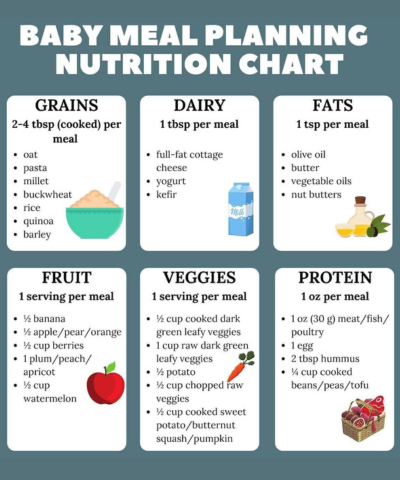
Most infants don't need solid food before 6 months because they receive all the nutrients they need from breast milk or formula. However, your pediatrician may recommend you start sooner if your baby shows signs that she's ready, such as mimicking your mouth movements while watching you eat or grabbing your food. If she doesn't seem interested at 6 or 7 months, don't try to force-feed her. The most important goal is to encourage the development of a healthy attitude toward food. Whenever you start your child on solids, begin with foods that are the least allergenic and the closest to breast milk and formula in taste and consistency, such as mashed bananas or rice cereal. Use your finger to put a little banana on your baby's lips, then let her suck your finger. Once she's introduced to the new taste, gradually increase the amount and watch her facial expressions. If the food goes in, accompanied by a smile, she's ready and willing. If it comes back out with a grimace or if she turns her head away, try again in a couple of weeks. For breastfeeding babies, it's best to offer solids at the end of the day, when your milk supply is usually lowest. (Formula-fed babies can eat at any time.) And remember that feeding isn't just about giving nutrition. It's a perfect opportunity to interact and connect with your baby.
Career Advantages
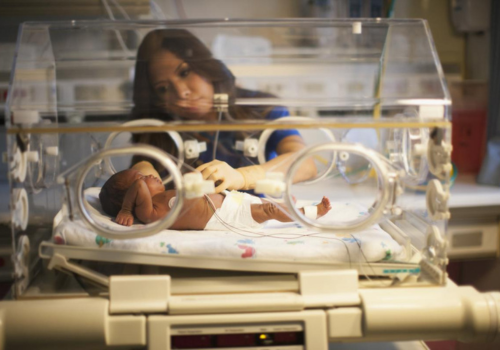
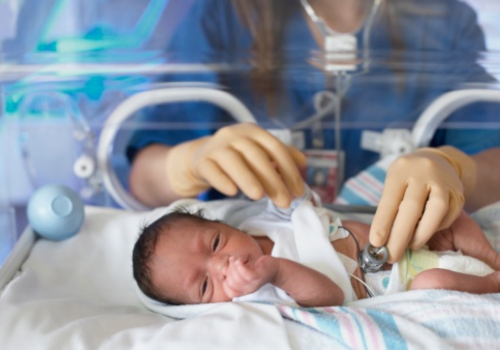
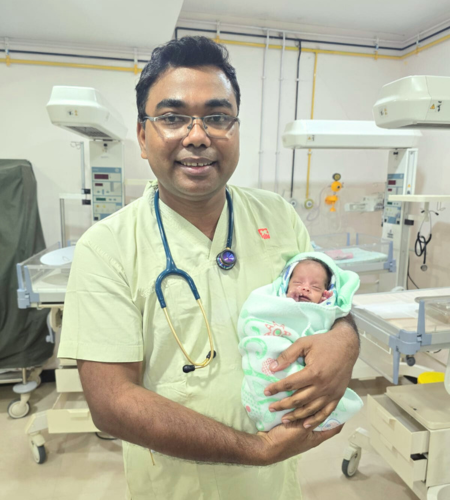
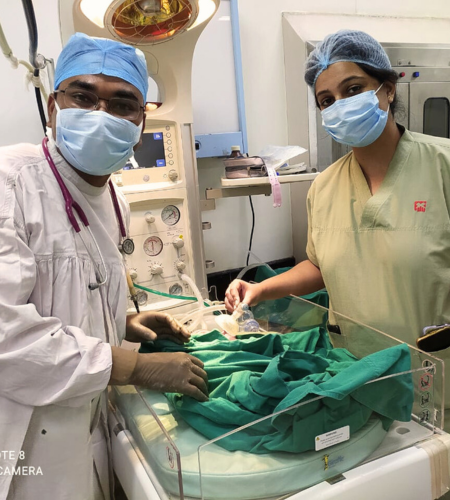
Specialized Expertise: This profession offers the chance to develop highly specialized expertise in neonatal care, which is valued in the medical community. Emotional Rewards: The joy of witnessing premature or critically ill newborns thrive under your care can be emotionally rewarding and fulfilling.