




Services
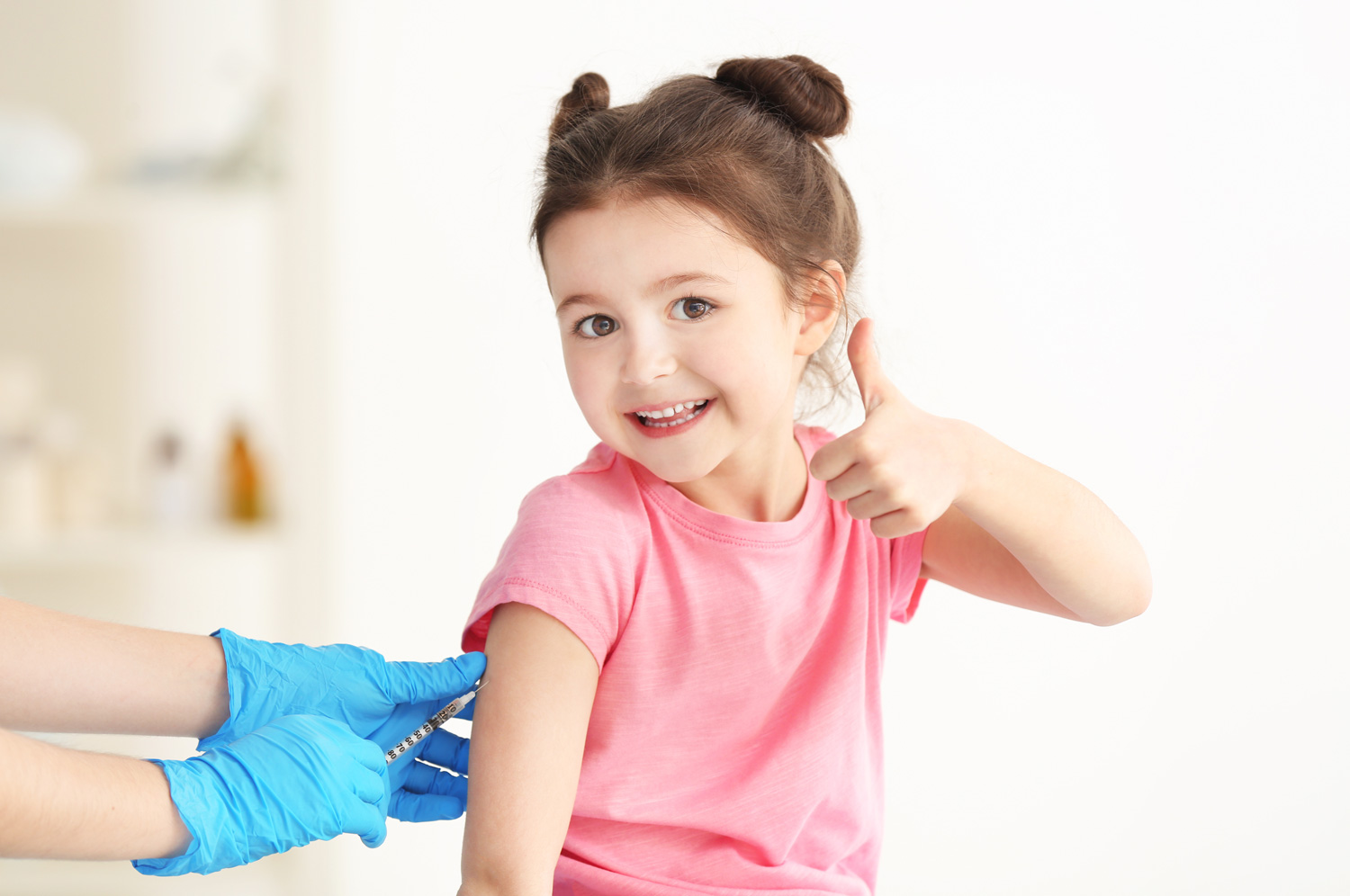
Child Immunisation Practices
Child immunisation practices include giving vaccines to children to protect them from serious diseases. The CDC and the Indian Academy of Pediatrics (IAP) have guidelines for childhood immunisation.
Recommended vaccines
Hepatitis B: Two doses, one at 2 months and another at 4 months
Rotavirus: Two doses for RV1 and three doses for RV5, with the first dose at 2 months and the second dose at 4 months
Diphtheria, tetanus, and acellular pertussis (DTaP): Two doses, one at 2 months and another at 4 months
Haemophilus influenzae type b (Hib): Two doses, one at 2 months and another at 4 months
Pneumococcal: One dose at 2 months and another at 15 months
Polio: One dose at 2 months and another at 15 months
COVID-19: At least one dose of the current COVID-19 vaccine at 15 months
Influenza/Flu: Every year, and two doses for some children at 15 months
Rare Diseases Identification
Rare diseases can be identified through clinical testing or by recognizing a phenotype. Genomic testing is the most common way to diagnose rare diseases, as 80% of them are genetic.
Methods for identifying rare diseases:
• Genomic testing: Includes exome sequencing, genome sequencing, and chromosomal microarrays
• Phenotype recognition: Involves identifying a disease by its characteristic features
• Reverse phenotyping: Clarifying the full phenotype of a rare disease
Other ways to identify rare diseases:
• Gene panels: Can help identify the molecular cause of rare diseases
• Computational methods: Can help identify patients with similar genetic mutations
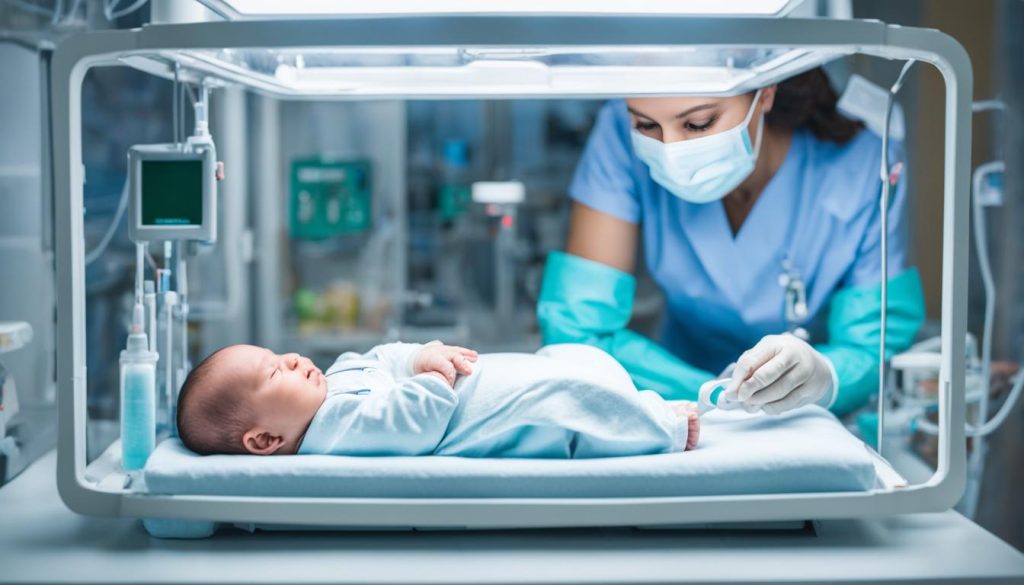
Neonatal Care Proficiency
Neonatal care proficiency is the skill and knowledge needed to provide safe care for newborns and their families. This includes understanding the health and safety regulations, following protocols, and communicating with the care team.
Neonatal care proficiency skills
• Professional accountability: Understanding the importance of professional accountability and acting ethically and lawfully
• Evidence-based care: Providing timely information based on evidence
• Safe environment: Ensuring a safe and secure environment for the neonate
• Health and safety regulations: Following local and national health and safety regulations
• Practice standards: Upholding high practice standards to reduce the risk of adverse events
• Communication: Communicating effectively with the care team and the family
• Observation: Being able to observe and make accurate decisions
• Rapid management: Being able to manage complications quickly
Curriculum Development Capability
Curriculum development capability is the ability to design, organize, and refine educational content and experiences for students. It involves creating a structured plan that outlines what to teach, how to teach it, and what the expected outcomes are.
Steps in curriculum development
• Assessing educational needs
• Formulating objectives and learning goals
• Selecting learning experiences
• Selecting content
• Organizing and integrating learning experiences
• Evaluating all phases

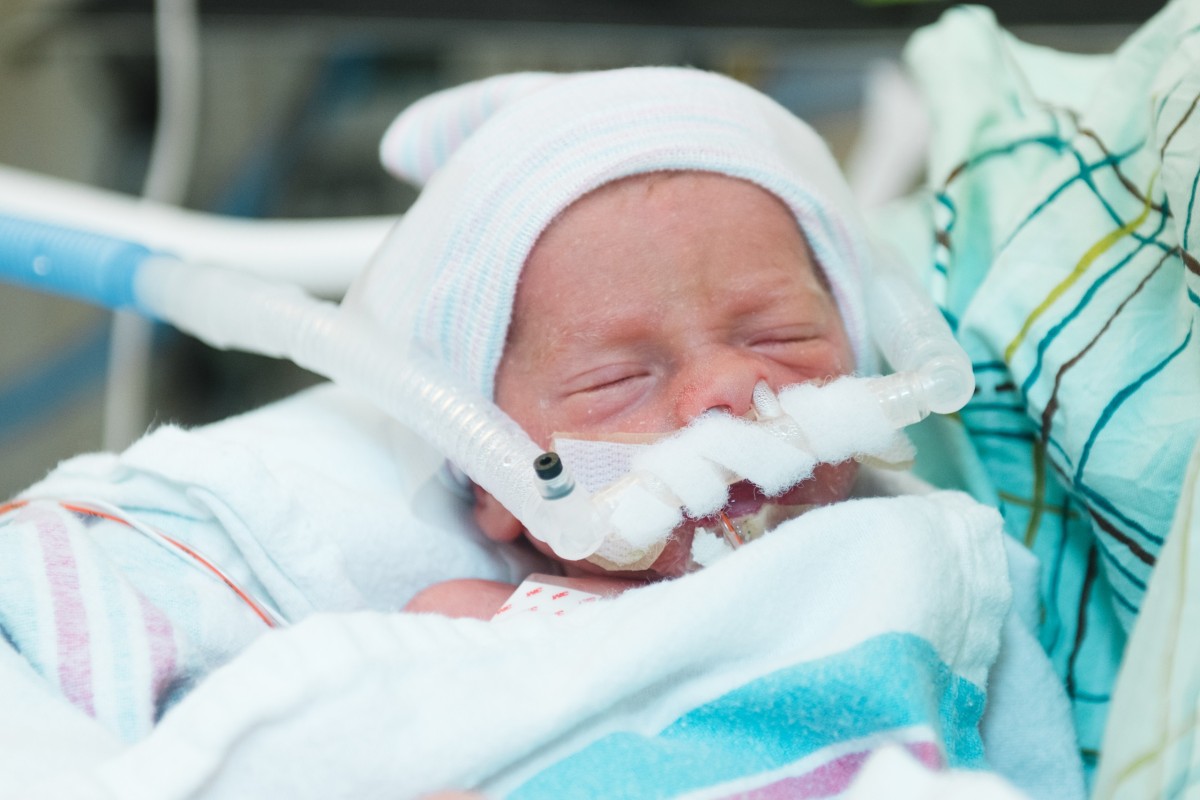
Tertiary Care of Neonate including Ventilatory Support
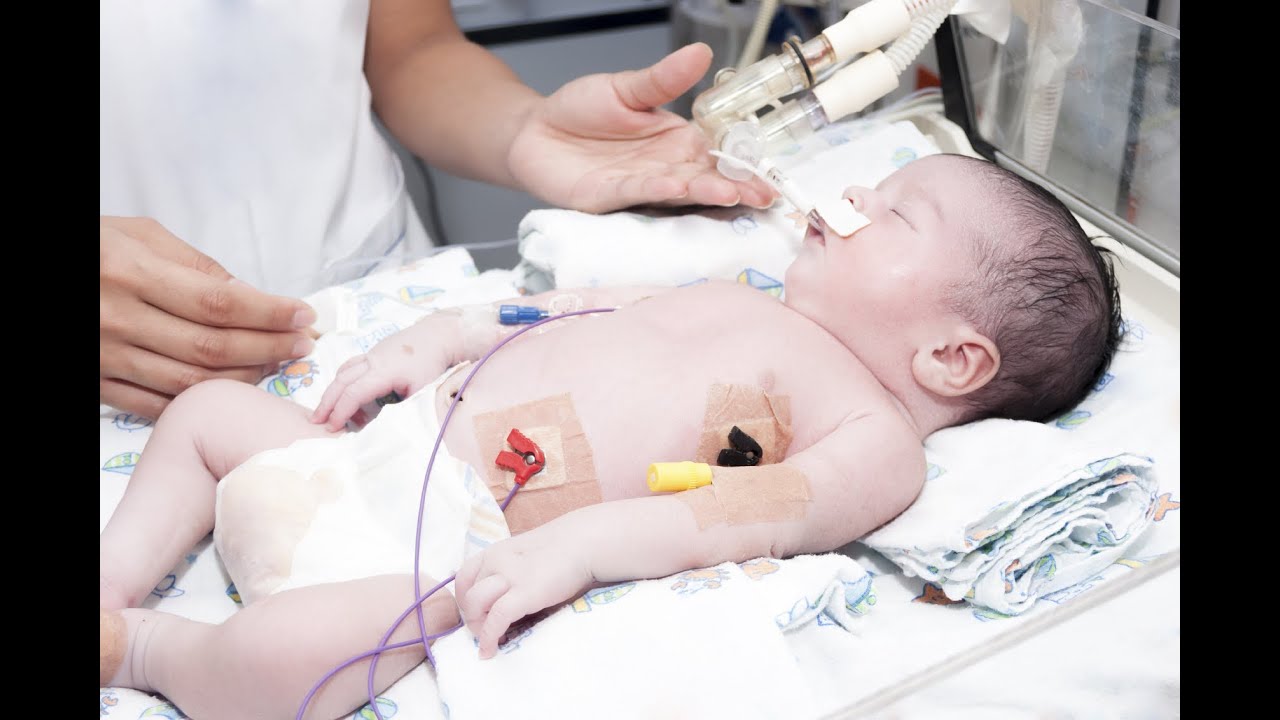
Tertiary care for a neonate with respiratory issues may include mechanical ventilation, oxygen therapy, and other treatments. The goal is to provide optimal care to critically ill newborns.
Respiratory support
• Mechanical ventilation: Can be intermittent positive pressure ventilation (IPPV) or intermittent negative pressure ventilation (INPV)
• Oxygen therapy: Can be provided through a nasal cannula, nasal mask, or face mask
• Continuous positive airway pressure (CPAP): A form of non-invasive respiratory support
• High-frequency oscillatory ventilation: A type of neonatal respiratory support
• Nitric oxide: A treatment for neonatal respiratory issues
Other treatments Sedation and analgesia, Infection prevention, Respiratory kinesiotherapy, Lung ultrasound, and Near infrared spectroscopy (NIRS).
Complicated Life Saving Procedures
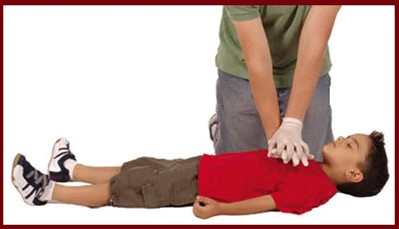
Some complicated life-saving procedures include CPR, coronary revascularization, and managing difficult airways. Basic first aid skills like CPR, the Heimlich maneuver, and controlling bleeding can also be lifesaving.
Complicated life-saving procedures
Coronary revascularization
A surgical procedure that improves blood flow to the heart when there is a blockage in the coronary arteries
Managing difficult airways
In cases like anaphylaxis, patients may develop hoarseness, swelling, or stridor, making it difficult to breathe. Advanced airway management, like a surgical airway, may be needed.
Paediatric and Neonatal Emergency Management
Paediatric and Neonatal Emergency Management refers to the immediate medical care provided to critically ill infants and young children, requiring specialized knowledge and skills to address life-threatening situations like respiratory distress, seizures, shock, severe infections, congenital anomalies, and trauma, with a focus on rapid assessment, stabilization, and appropriate treatment based on the child's unique physiology and developmental stage.
Key aspects of Paediatric and Neonatal Emergency Management:
Early Recognition and Triage:
Prompt identification of serious conditions through careful assessment of vital signs, presentation symptoms, and immediate prioritization of critical cases.
Airway Management:
Maintaining a clear airway is paramount, often requiring specialized techniques like nasopharyngeal airways or endotracheal intubation adapted to the child's anatomy.
Fluid Management:
Careful administration of intravenous fluids based on the child's condition, considering potential complications like fluid overload.

Contact Info


Patient Feedback